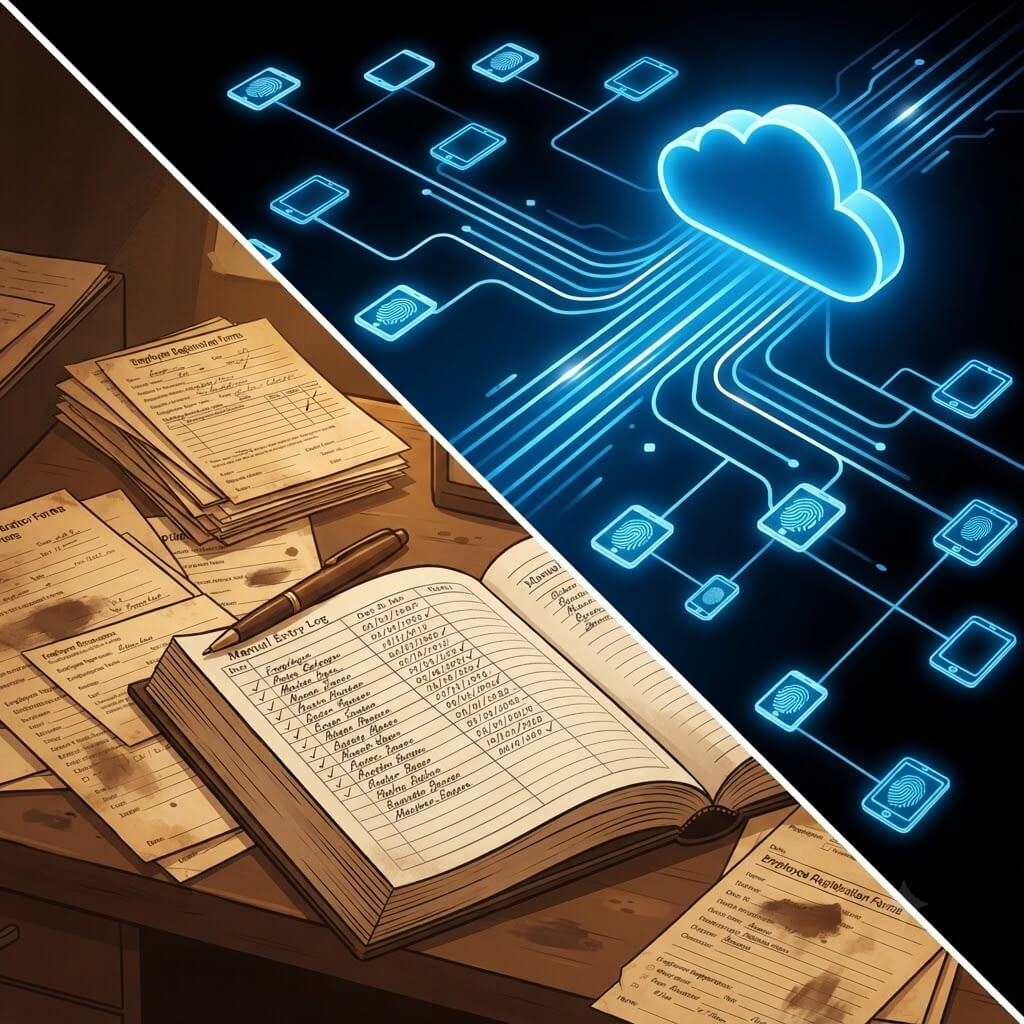
Zero-Touch Biometric Deployment for 1,000 Employees
How zero-touch deployment adds employees to biometric devices across many sites via an API: architecture, sample requests, failure handling, legal points.





How zero-touch deployment adds employees to biometric devices across many sites via an API: architecture, sample requests, failure handling, legal points.
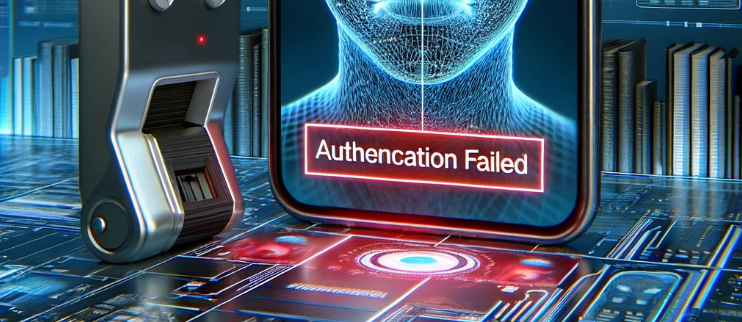
A spoof attack uses a photo or video to fool facial recognition. See how infrared scanning and depth analysis help Cams devices reject fake faces.

How biometric attendance devices connect to SAP SuccessFactors Time Tracking through Cams Biometrics APIs: push-based data flow and best practices.

What Cams biometric machines store (user ID, name, fingerprint template, face photo, RFID card) and how that data is protected, enrolled and managed.
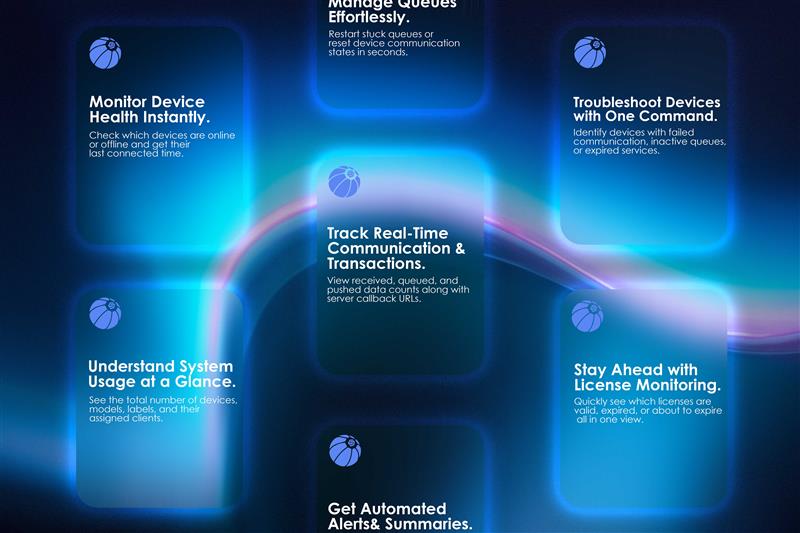
Step-by-step guide to add the Cams Biometrics custom connector in Claude AI, generate a Client Key and Password, and query device status in plain language.
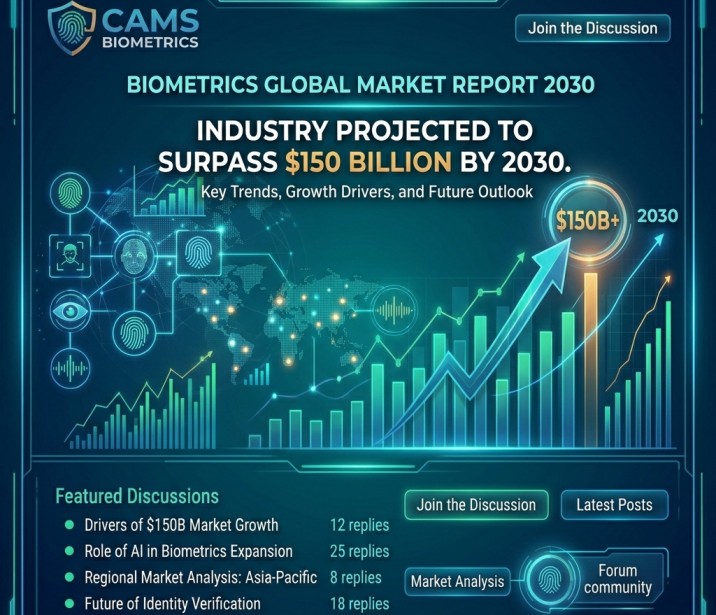
Grand View Research values the biometrics market at USD 34.27 billion in 2022 and projects USD 150.58 billion by 2030; key drivers and trends summarised.
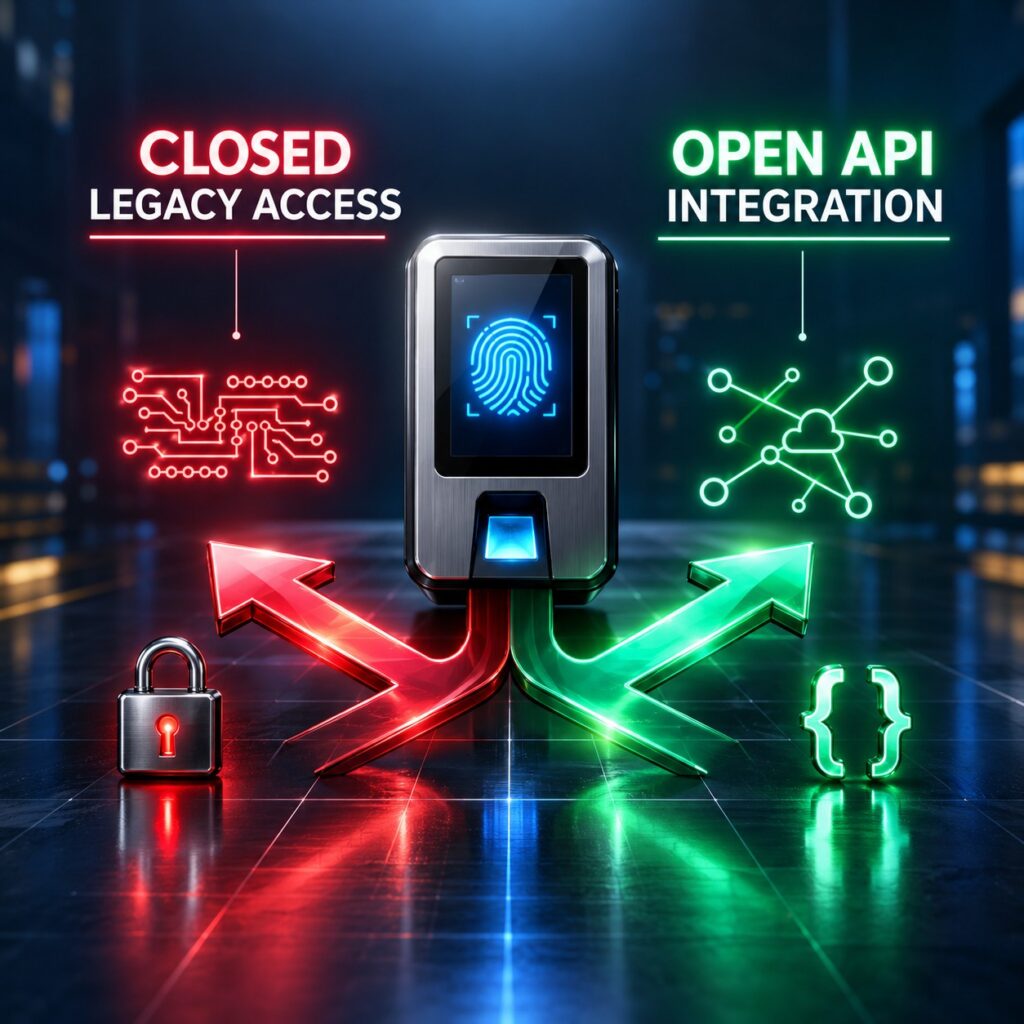
Why proprietary protocols and SDKs lock biometric device buyers in, the three lock-in layers, and how protocol adapters and open REST APIs remove them.
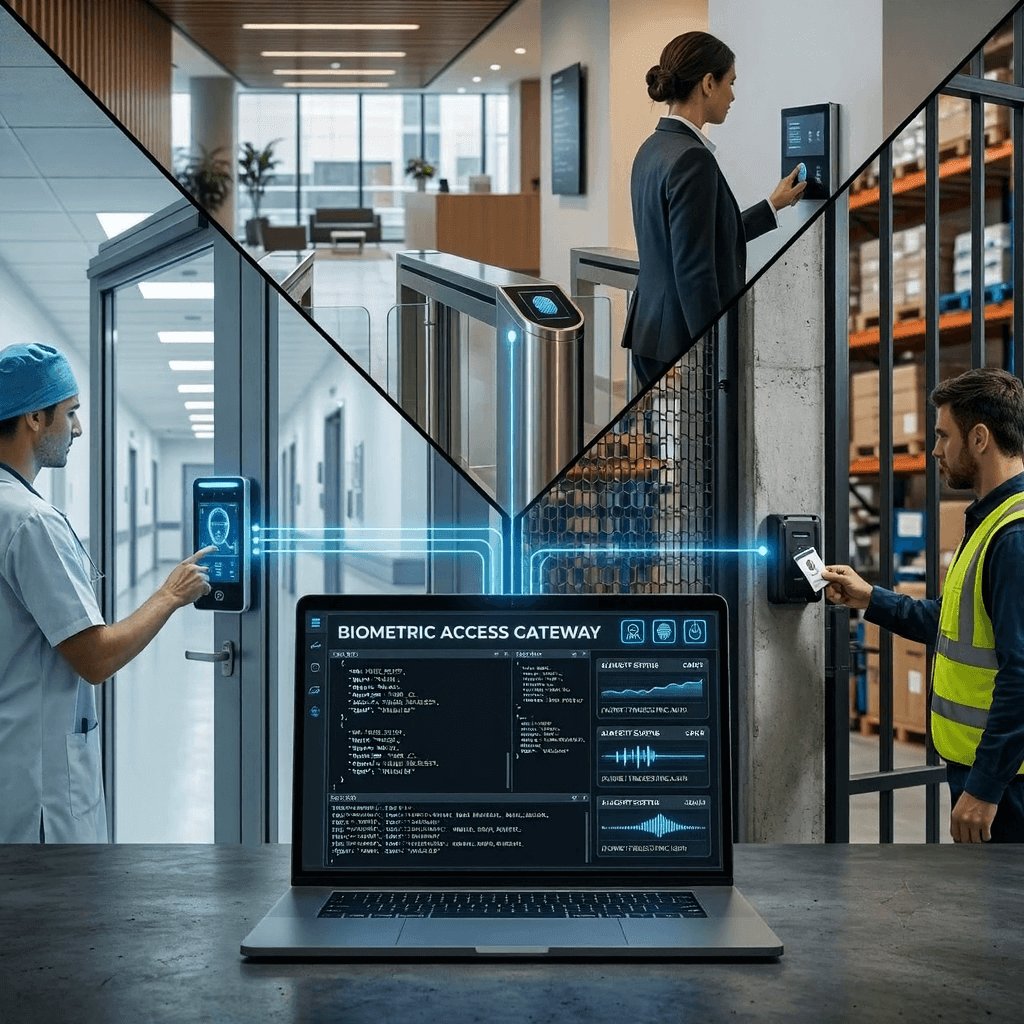
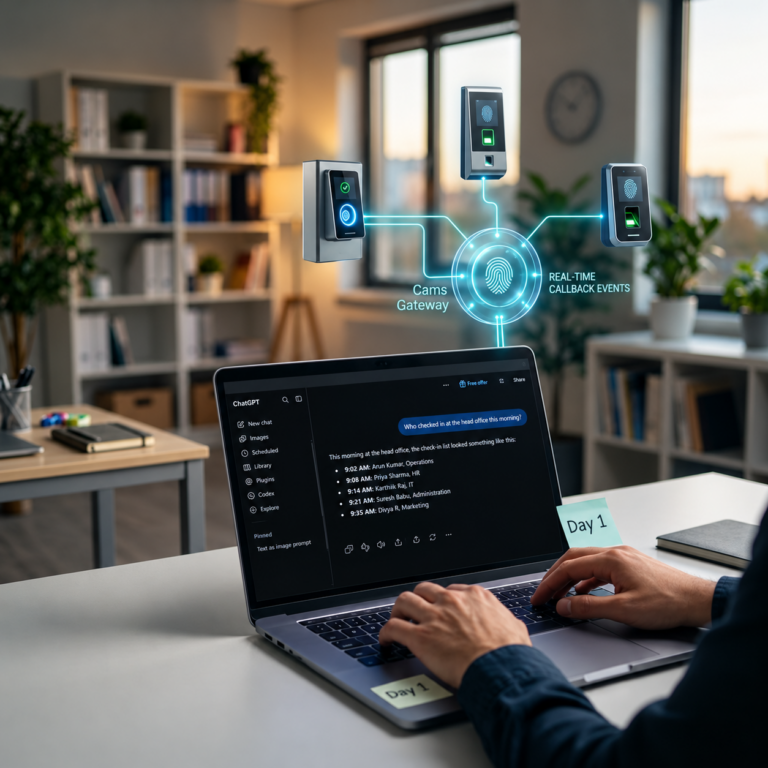
How AI agents such as ChatGPT, Gemini and Claude use MCP and JSON over HTTPS to enrol users, pull logs and revoke access via Cams Biometrics Gateway.
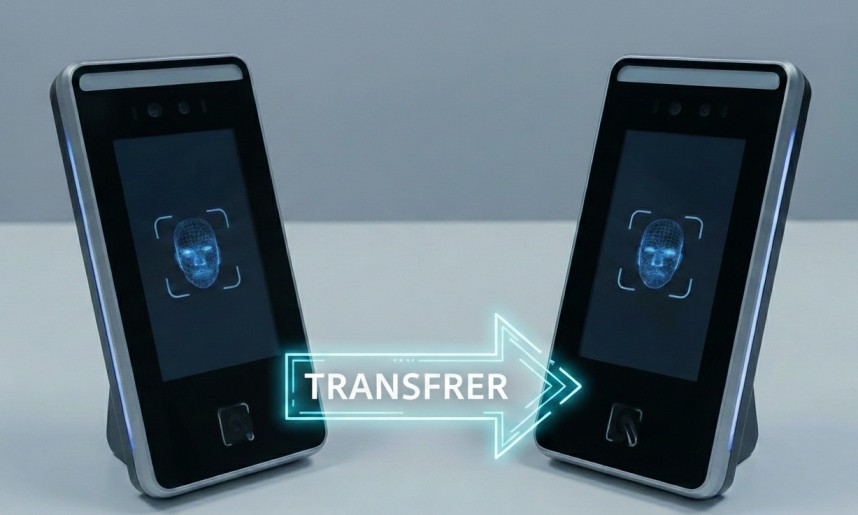
When and how an API license moves from a damaged Cams or third-party biometric device to a replacement, with pro-rated license and activation steps.
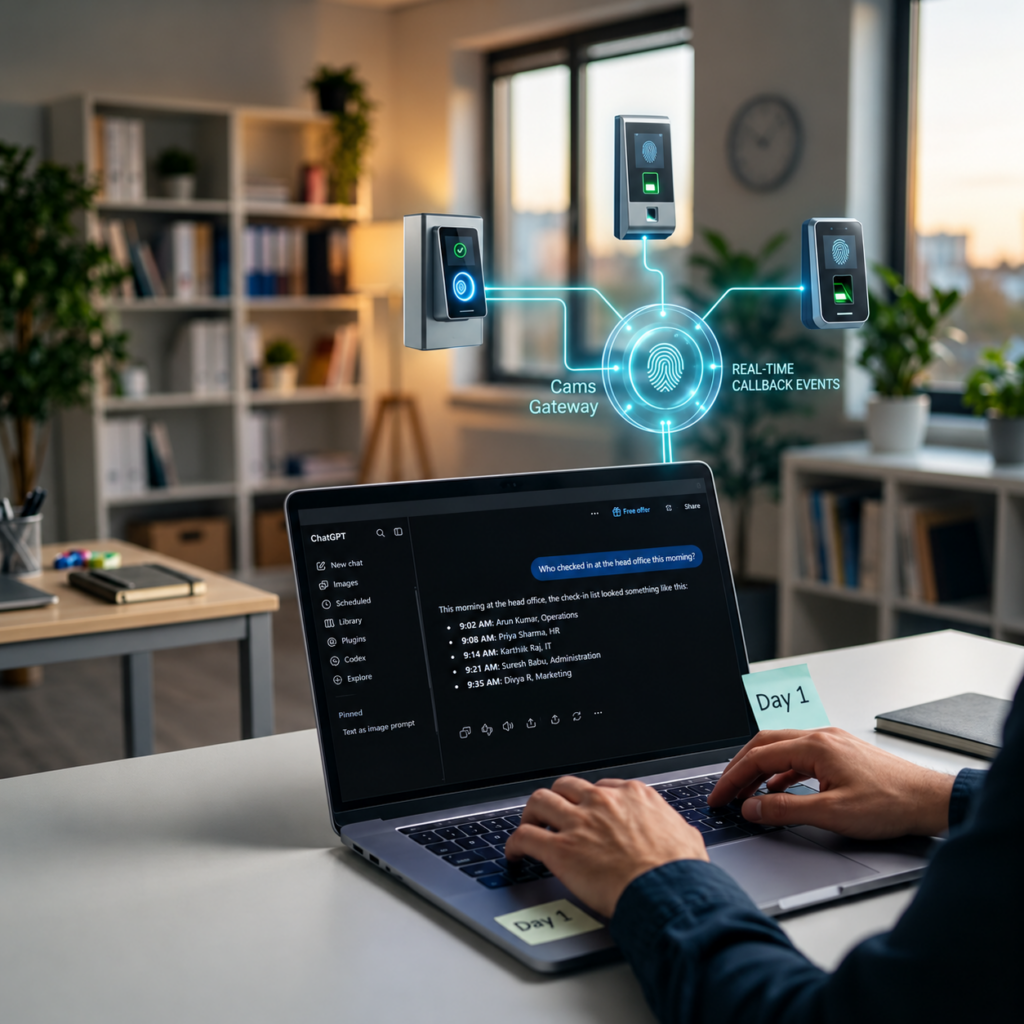
Attendance data has always been locked behind reports. To find out who was late this week, who is on site right now, or which contractor overstayed their hours, someone had to open the right software, choose the right filters, export a spreadsheet, and read it. With MCP, that changes. An HR manager can now ask…
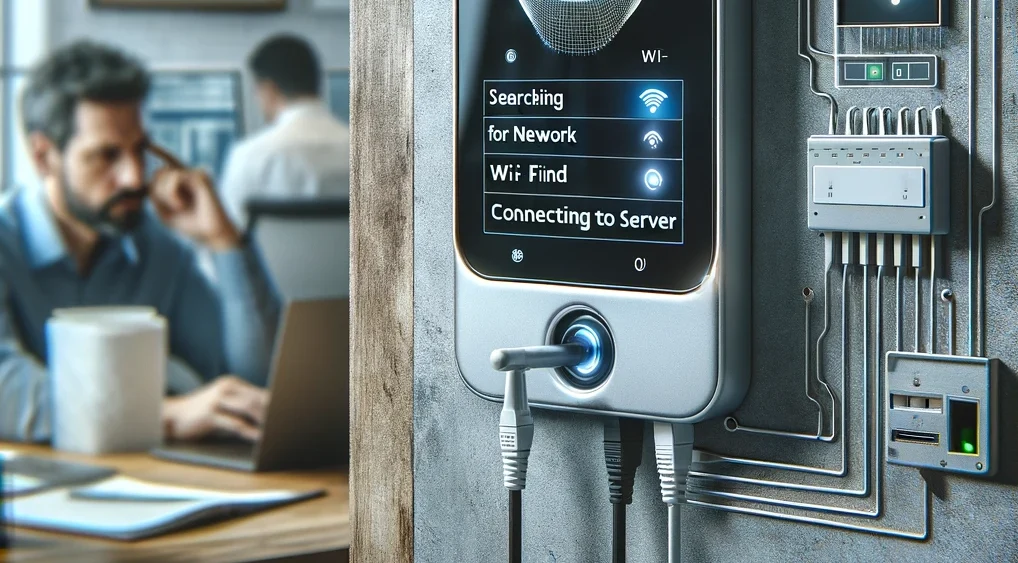
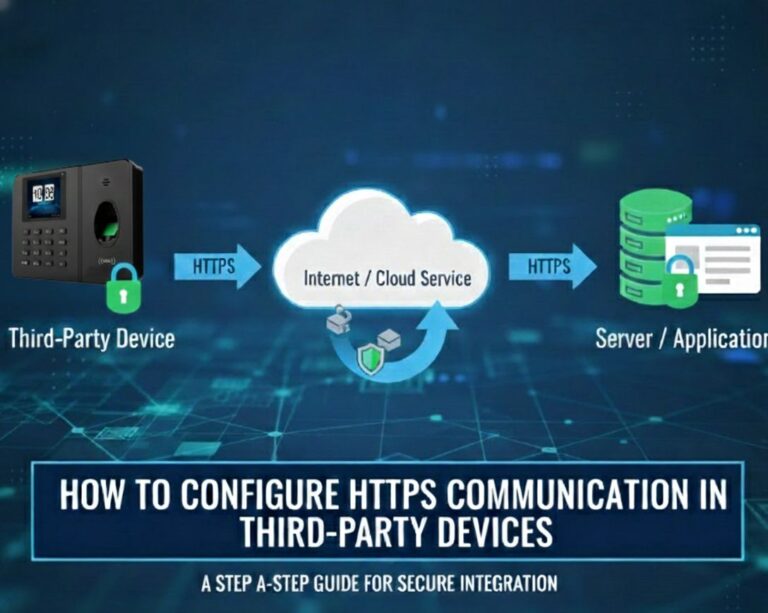
Connect a biometric device to the network by LAN or Wi-Fi, whitelist the server IPs and domains, set the server address and port, and troubleshoot.
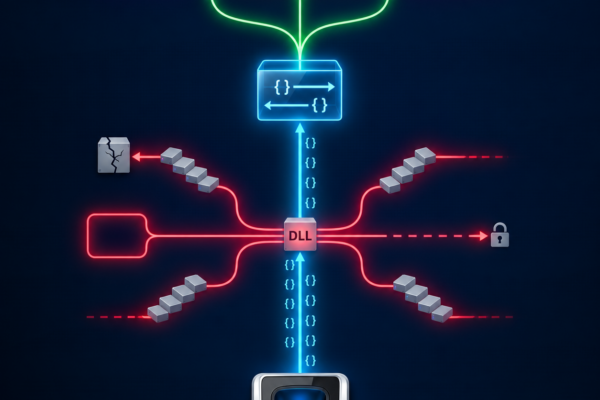
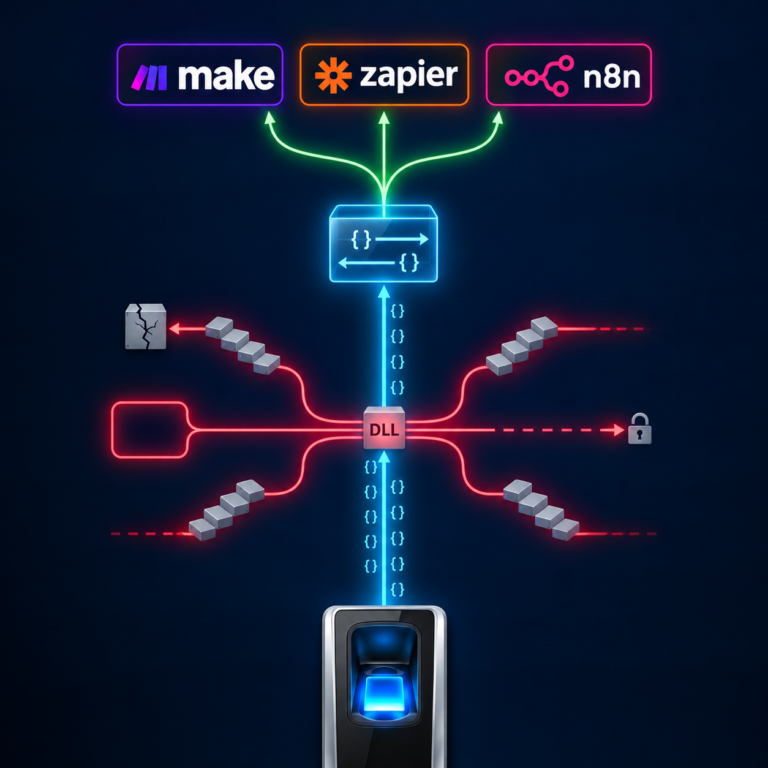
Zapier, Make, and n8n are the three automation platforms teams most often consider when they want to connect systems without building everything from scratch. Most comparisons judge them on general business tasks like moving form entries into a CRM. Biometric workflows are different. Every fingerprint scan is a real-time event, volumes add up quickly, the…
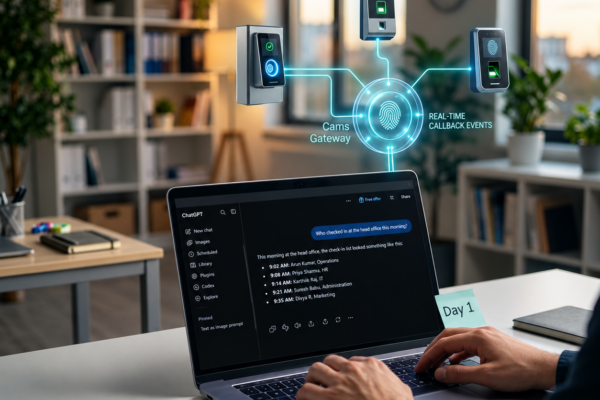
Attendance data has always been locked behind reports. To find out who was late this week, who is on site right now, or which contractor overstayed their hours, someone had to open the right software, choose the right filters, export a spreadsheet, and read it. With MCP, that changes. An HR manager can now ask…
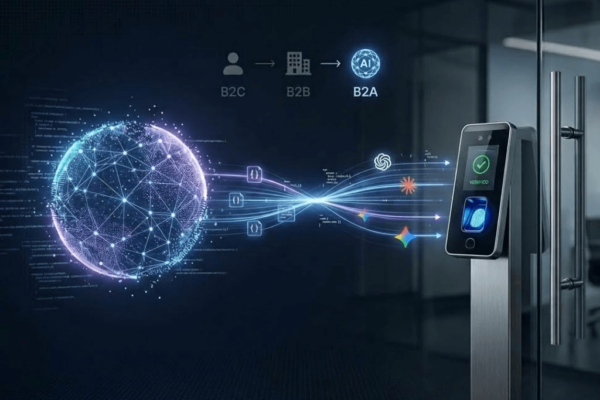
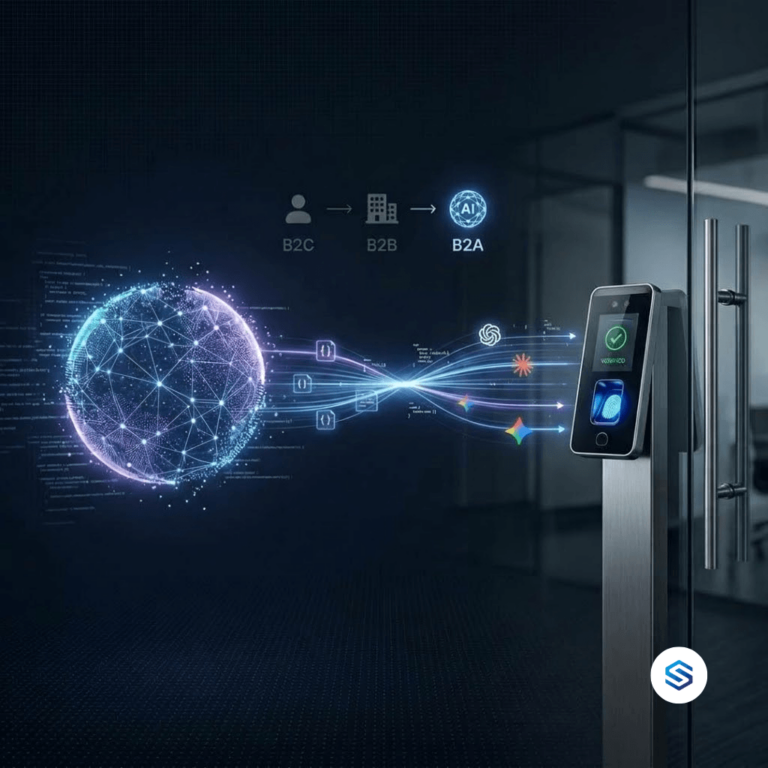
For decades, businesses have sold to two kinds of customers: consumers (B2C) and other businesses (B2B). A third kind of customer has now arrived, and it does not use screens, click buttons, or read brochures. It is the AI agent. AI agents built on Claude, Gemini, and ChatGPT are starting to carry out real work…
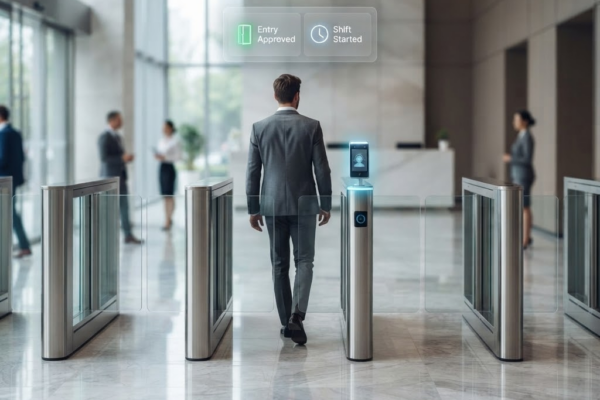
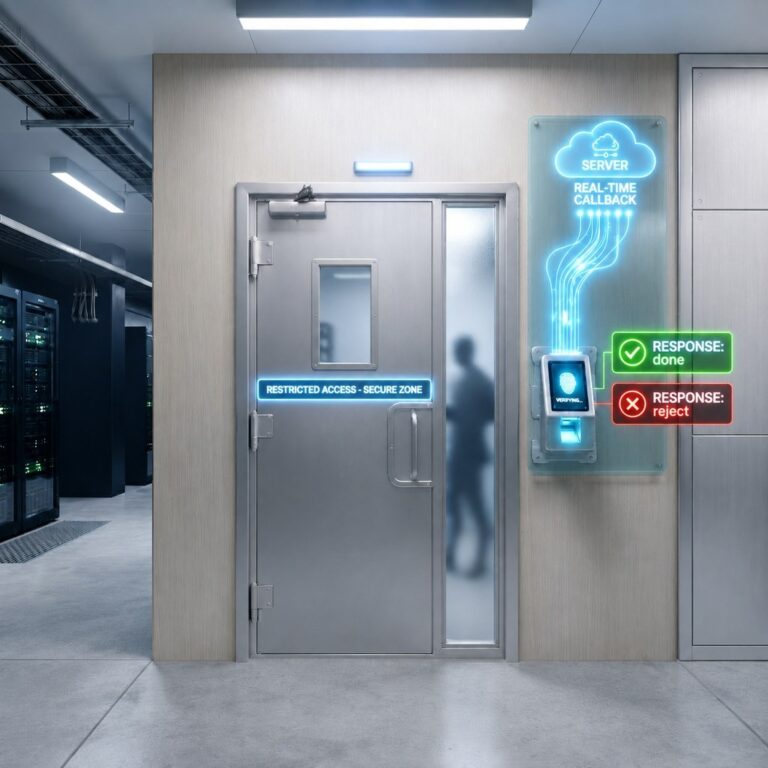
In most organisations, the door and the time clock are two different systems. Security owns access control. HR owns attendance tracking. Each has its own devices, its own enrolment process, its own database, and its own idea of who is in the building. Yet both are answering versions of the same question: who is this…
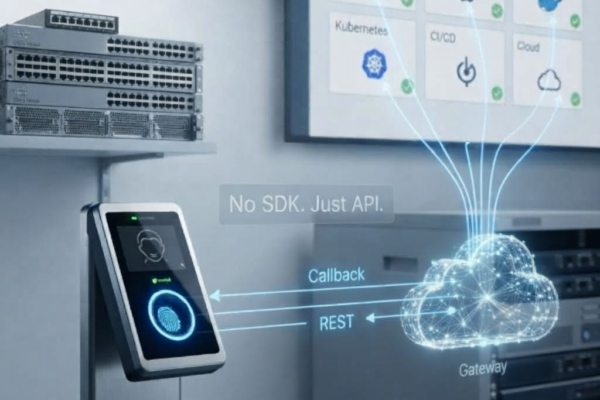
Your ERP is the system of record for your business. It holds the shift schedules, the payroll rules, the project budgets, the production costing, and the contractor agreements. But there is one thing an ERP cannot do on its own: prove that a person was physically present. Every number in your ERP that depends on…
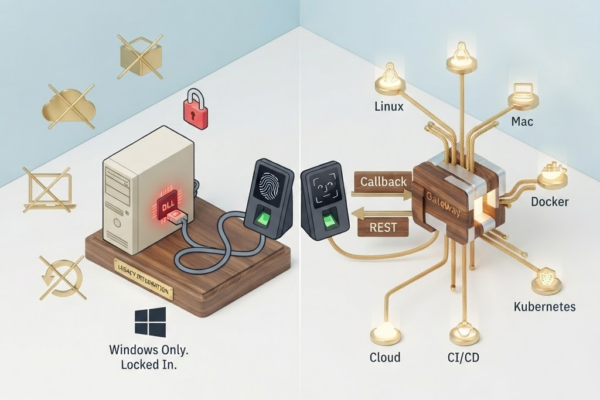
The biometric hardware industry releases a new device every six months. Faster processors. Better liveness detection. Higher accuracy rates. Sub-second recognition. Every product launch promises to solve the fundamental problem of biometric identity verification in enterprise environments. But walk into any organisation that has been buying biometric hardware for the last ten years and you…
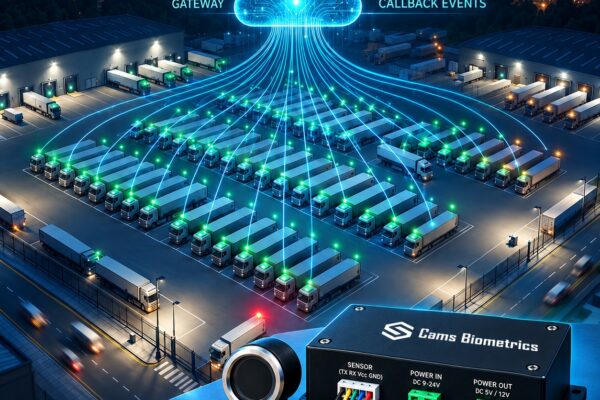
Every logistics and transportation company running a GPS fleet management system knows where every vehicle is at every moment. What most of them do not know is whether the person driving that vehicle is the licensed, certified, authorised driver it is assigned to. A ghost driver, an unlicensed colleague, or an unauthorised operator can take…
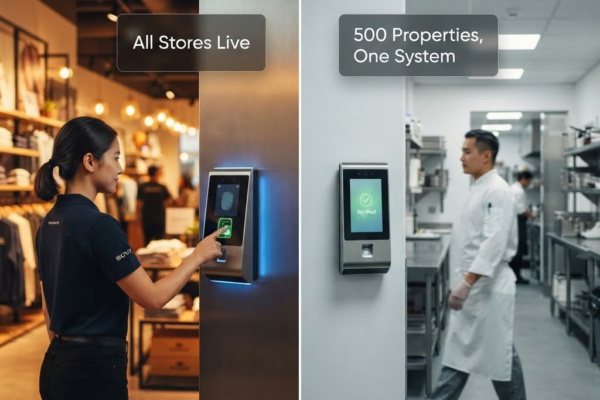
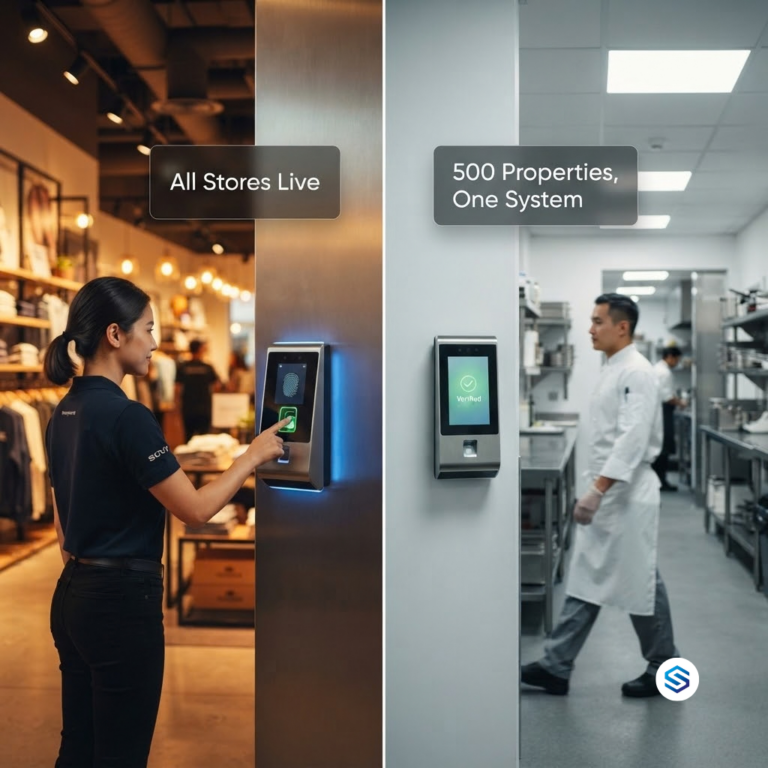
Labour is the largest controllable cost in retail and hospitality, typically between 25 and 35 percent of revenue. When attendance is managed manually, a percentage of that cost leaks through time theft, buddy punching, unrecorded early departures, and payroll errors that no one audits until the end of the month. For a chain with 80…
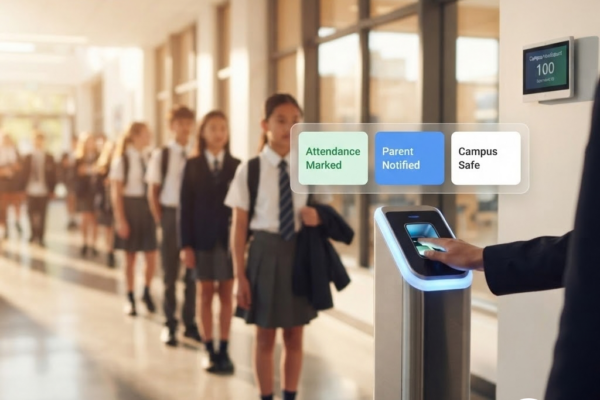
Education institutions are not offices. A teacher taking attendance by calling out names in a class of 40 students consumes seven minutes of learning time, every period, every day. Parents have no way of knowing whether their child arrived safely. The school management system holds student records but has no live connection to who is…
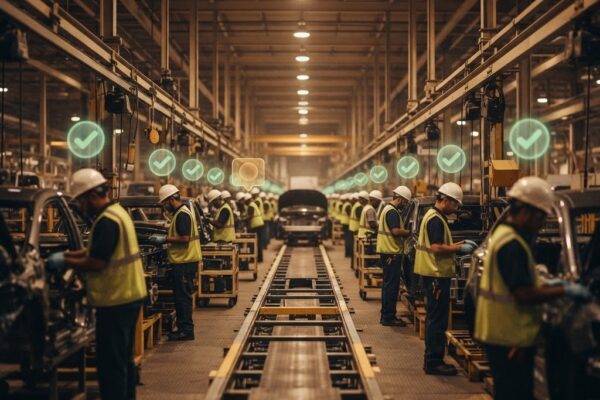
Manufacturing plants are not offices. The shop floor has no reliable internet. The network is air-gapped for security. Workers rotate across three shifts. Hundreds of devices are scattered across a facility the size of several football fields. Punch cards and manual registers have been the default for decades not because they are good but because…